

Dilution, Spreads, and the Modern Bitcoin Investor’s Dilemma
via Kane McGukin at the Mesh Point
This paper is the final in a three-part series examining Bitcoin Treasury Companies (BTC-TC). This third and final piece establishes the framework for viewing Bitcoin Treasury Companies as nothing more than new age version of the Business Development Company (BDC) structure [ ed note: the other two can be viewed here and here ]
ABSTRACT: What is most important to understand is the purpose BDCs have served in the traditional financial system (TradFi). These entities were established in 1980[1] by Congress and have served as critical infrastructure for extending the fractional reserve nature of our existing financial system. In a general context, the nature of these businesses is what we commonly refer to as Shadow Banks. Non-bank financial institutions that facilitate lending between investors and borrowers (credit intermediation). They are an extension of banking but do not rely on public deposits. Nor do Shadow Banks have direct access to central bank backstops.[2]
In short, Business Development Companies facilitate lending, securitize assets, and provide liquidity to markets, often using short-term financing for long-term investments.
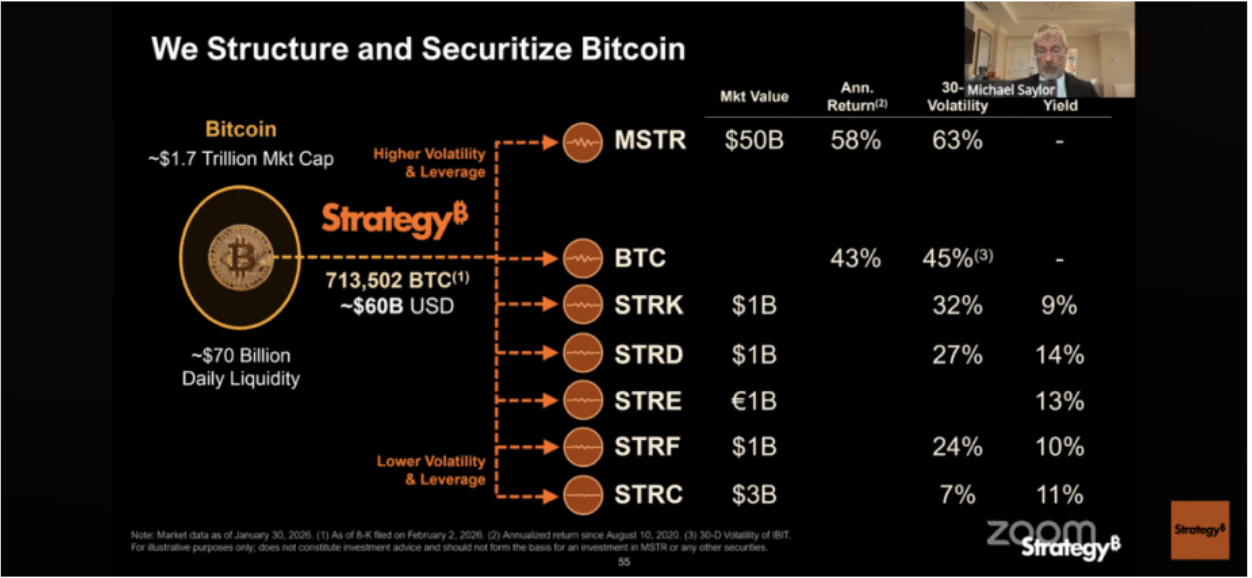
Over the last 24 months, as TradFi and Wall Street continued down the path of integration and adoption of Bitcoin, the narrative around Bitcoin and lending has shifted materially. This change in optics, in my view, is why it’s important to consider and understand BTC-TCs in the context of a BDC model.
As credit and debt have become the basis for our growing financial system, BDCs have historically facilitated the financialization of collateral assets and, most importantly, have played a prominent role in the extraction of substantial spreads between the underlying collateral and the market’s derivatives created atop. For Bitcoin’s purpose, investors should understand the short-term tradeoffs presented by yield and the long-term expectation of returns.
Sign up for the Bombthrower mailing list here. Follow Kane McGukin on Substack here.